

tempered glass manufacturers
Knife Gate Valve Suppliers A Comprehensive Overview In the realm of industrial operations, the knife gate valve plays an indispensable role in regulating the flow of fluids and slurries. This particular valve is known for its simple design and efficient functionality, making it a preferred choice across various industries such as wastewater management, pulp and paper, mining, and chemical processing. As the demand for effective flow control solutions continues to grow, so too does the need for reliable knife gate valve suppliers. Understanding Knife Gate Valves A knife gate valve is characterized by its blade-like gate that slides down into a seat to block flow and lifts to allow flow. The design is particularly advantageous for handling thick liquids and slurries, as its sharp edge is capable of cutting through materials, ensuring minimal accumulation and blockage. Additionally, knife gate valves can be operated manually or automatically, and they come in various sizes and materials to cater to specific needs. Importance of Quality Suppliers Choosing the right supplier for knife gate valves is crucial. Quality suppliers ensure that their products meet industry standards and regulations, which not only guarantees the reliability of the valves but also enhances the safety of industrial processes. A reputable supplier will offer valves that are robust, durable, and capable of withstanding harsh operating conditions. Therefore, businesses must carefully evaluate potential suppliers based on their experience, range of products, and customer service. Key Factors to Consider When Choosing Suppliers 1. Product Quality The primary consideration should be the quality of the knife gate valves. Suppliers that comply with international standards such as ISO 9001 are often more reliable. Conducting a quality assurance check through client testimonials and product certifications can be beneficial. knife gate valve suppliers 2. Variety of Options A good supplier should offer a variety of knife gate valves in terms of size, material, and actuation methods, allowing businesses to find products that are suited to their specific applications. Whether it’s stainless steel for corrosion resistance or cast iron for durability, having options empowers customers to make the best choice. 3. Technical Support Suppliers that provide technical support can be immensely helpful, especially during installation and maintenance phases. Technical expertise can aid in selecting the right valve and troubleshooting any issues that may arise, ensuring operational efficiency. 4. After-Sales Service Excellent after-sales service is a hallmark of a reliable supplier. This includes warranty services, routine maintenance checks, and prompt customer service for addressing concerns or inquiries post-purchase. 5. Pricing and Delivery While cost shouldn’t be the only deciding factor, it is undeniably important. Comparing pricing among various suppliers can help businesses get the best deal. Additionally, the supplier's ability to meet delivery timelines is crucial, especially in industries where downtime can be costly. Leading Knife Gate Valve Suppliers Several suppliers have established themselves as leaders in the market, known for their quality products and exceptional service. Companies like Val-Matic, KSB, and VAG offer advanced valve technologies alongside traditional options, catering to a diverse array of industries. By leveraging advanced engineering and innovative manufacturing processes, these suppliers set high standards in the industry. Conclusion Knife gate valves are critical components in the infrastructure of various industrial applications, and selecting the right supplier is paramount for ensuring optimal performance and reliability. By considering quality, variety, technical support, after-sales service, and pricing, businesses can make informed decisions that not only meet their operational needs but also contribute to overall efficiency and safety in their processes. Engaging with reputable suppliers can lead to long-term partnerships that enhance productivity and success.
about
tempered glass manufacturers
Replacing a Water Shut-off Valve A Step-by-Step Guide Water shut-off valves are essential components in any plumbing system. They control the flow of water into your home, allowing you to stop the water supply during repairs or emergencies. Over time, these valves can become corroded or fail, necessitating a replacement. This article provides a detailed guide on how to replace a water shut-off valve. 1. Gather Your Tools and Materials Before you begin the replacement process, ensure you have all the necessary tools and materials. You will need - A new shut-off valve (make sure it matches the size and type of the existing valve) - A pipe wrench or adjustable wrench - Teflon tape - A bucket (to catch any water) - Towels or rags - A hacksaw (if the old valve needs cutting off) 2. Shut Off the Main Water Supply Start by turning off the main water supply to your home. This is typically located near the water meter. Open faucets at the highest and lowest points of your home to relieve any pressure and drain the system. Be prepared with a bucket to collect any residual water. 3. Locate the Shut-off Valve Identify the location of the shut-off valve you plan to replace. It is usually found on the water supply line leading to appliances or fixtures, such as sinks, toilets, or laundry machines. replace water shut off valve 4. Remove the Old Valve Using the pipe wrench, carefully loosen and remove the old valve. If it’s difficult to remove, you may need to cut it out using a hacksaw. Take your time to avoid damaging the connecting pipes. Once removed, clean the threads of the pipe to ensure a proper seal with the new valve. 5. Install the New Valve Wrap Teflon tape around the threads of the new shut-off valve to prevent leaks. Attach the valve to the pipe using your wrench, turning it clockwise. Make sure it’s secured but be careful not to overtighten, which could cause damage. 6. Test for Leaks Once the new valve is installed, turn the main water supply back on and check for leaks. Open and close the new valve to ensure it operates correctly. If there are any leaks, tighten the connections gently. Conclusion Replacing a water shut-off valve is a manageable DIY project that can save you money and prevent future water damage. By following these steps carefully, you can ensure a successful installation that maintains the integrity of your plumbing system. Regular maintenance and timely replacement of valves can help keep your home safe and dry.
-

High quality industrial productsagement

High quality industrial products
View Details -

Meet the diverse needs of customers

Meet the diverse needs of customers
View Details -

Strict quality control

Strict quality control
View Details -

Top raw materials

Top raw materials
View Details -

Trusted supplier

Trusted supplier
View Details
Our application
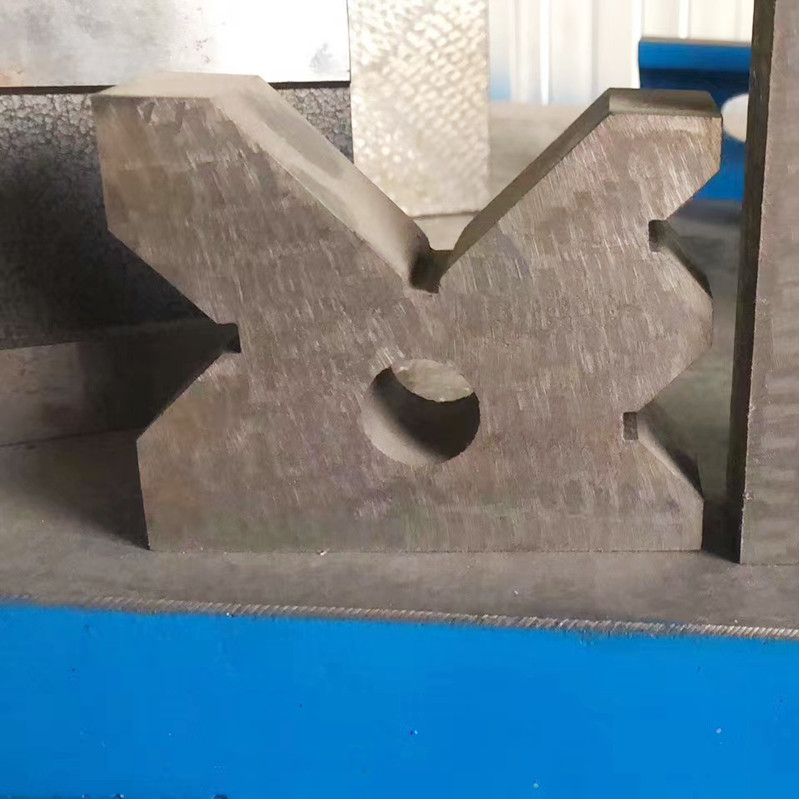


news and information
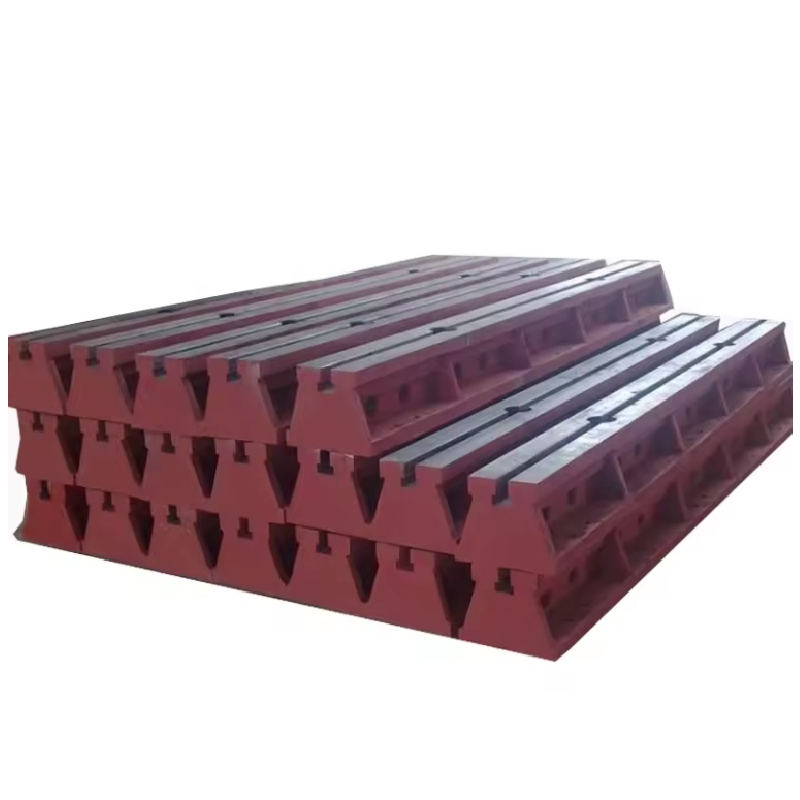
valve gate valve
Understanding Valve Gate Valves An Essential Component in Modern Industry In various industrial appl

Using Tapered Plug Gauges for Precision Measurement and Quality Control in Manufacturing
Understanding Taper Plug Gauges and Their Applications In precision engineering and manufacturing, e
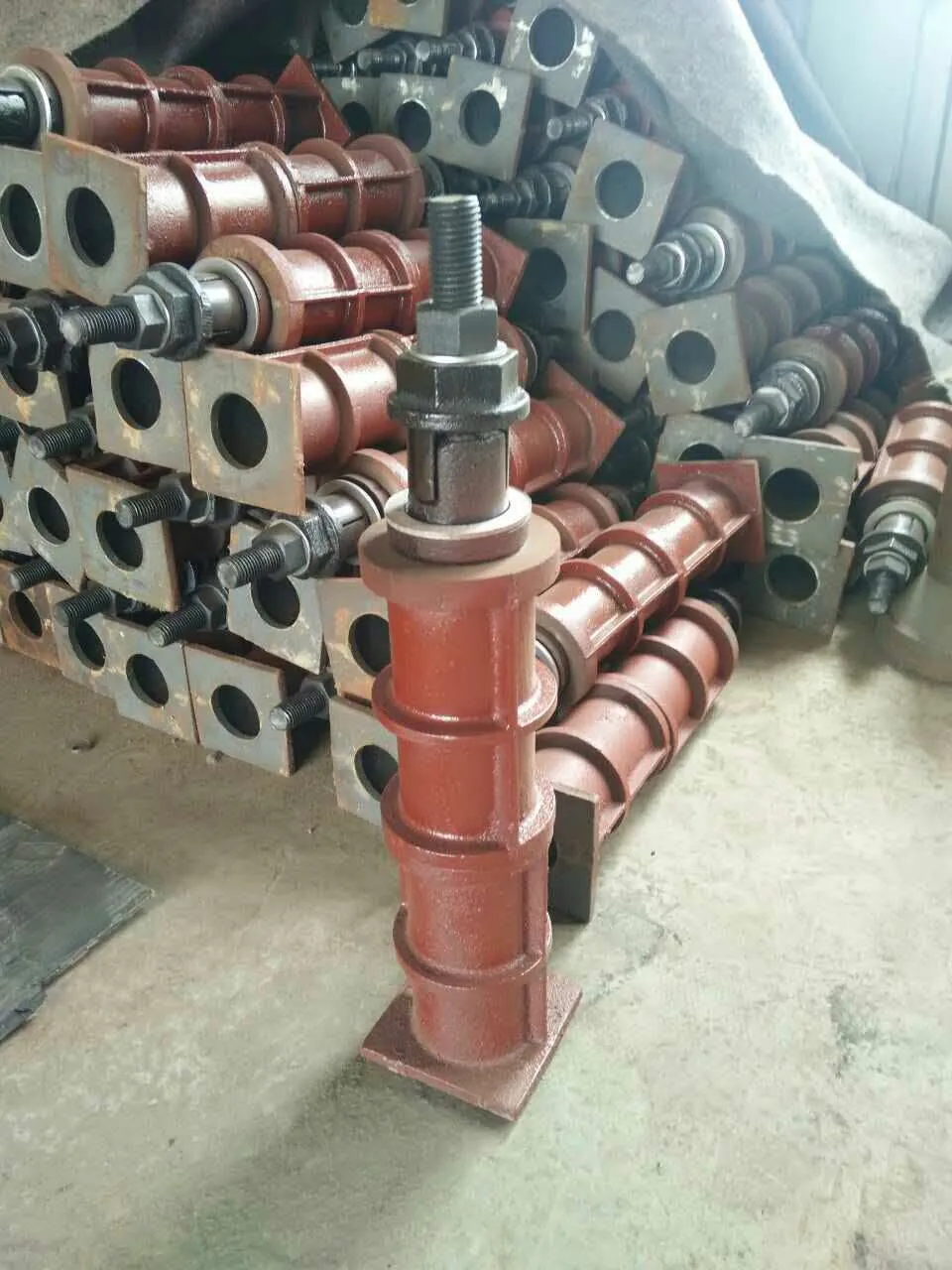
Y Type Strainer with Integrated Drain Valve for Efficient Fluid Management
Understanding Y-Type Strainers with Drain Valves In various industrial applications, ensuring the in
 English